


Globally, scientists estimate that eight million tonnes of plastic waste enter the oceans each year. It’s easy to feel powerless in the face of plastic pollution. Yet the story of environmental change is rarely one of sudden, dramatic transformation. More often, it begins with a small action which creates a second action, which influences another person, then a family, a classroom, a workplace and eventually a community.
The world does not need a handful of perfect environmentalists. What it needs is many people willing to make imperfect, repeated, visible changes. You only need to create one ripple, and when joined with millions of others, that ripple can become a wave.
Ripple #1: Refuse
Refusing unnecessary single-use plastic is the most powerful starting point.
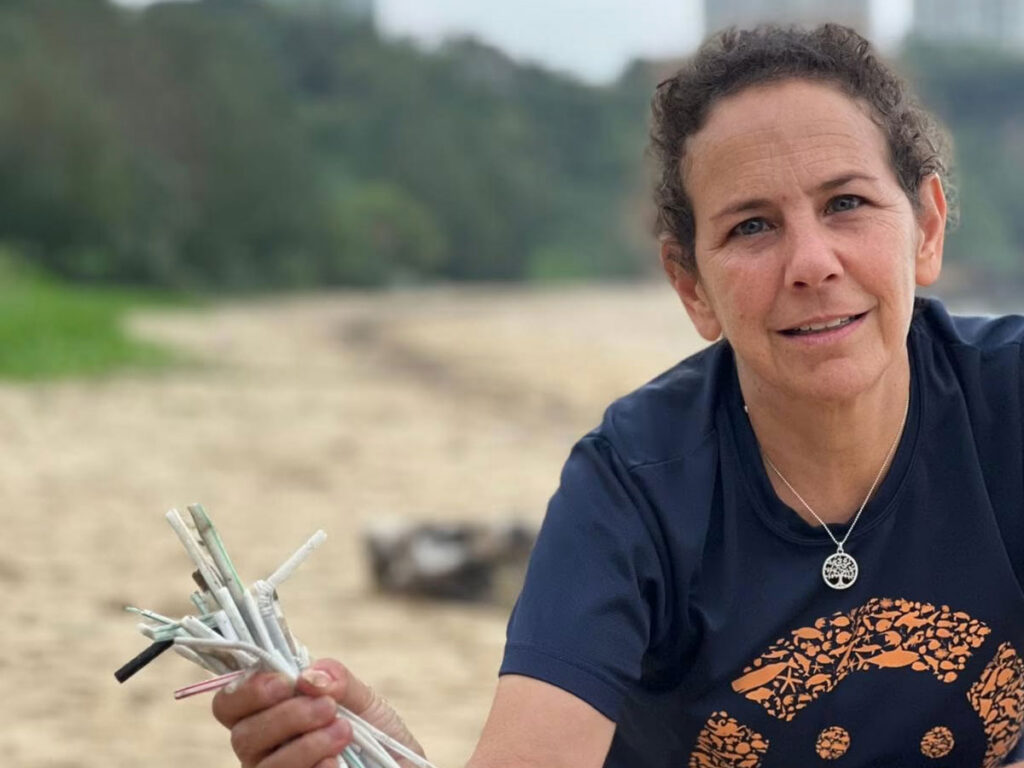
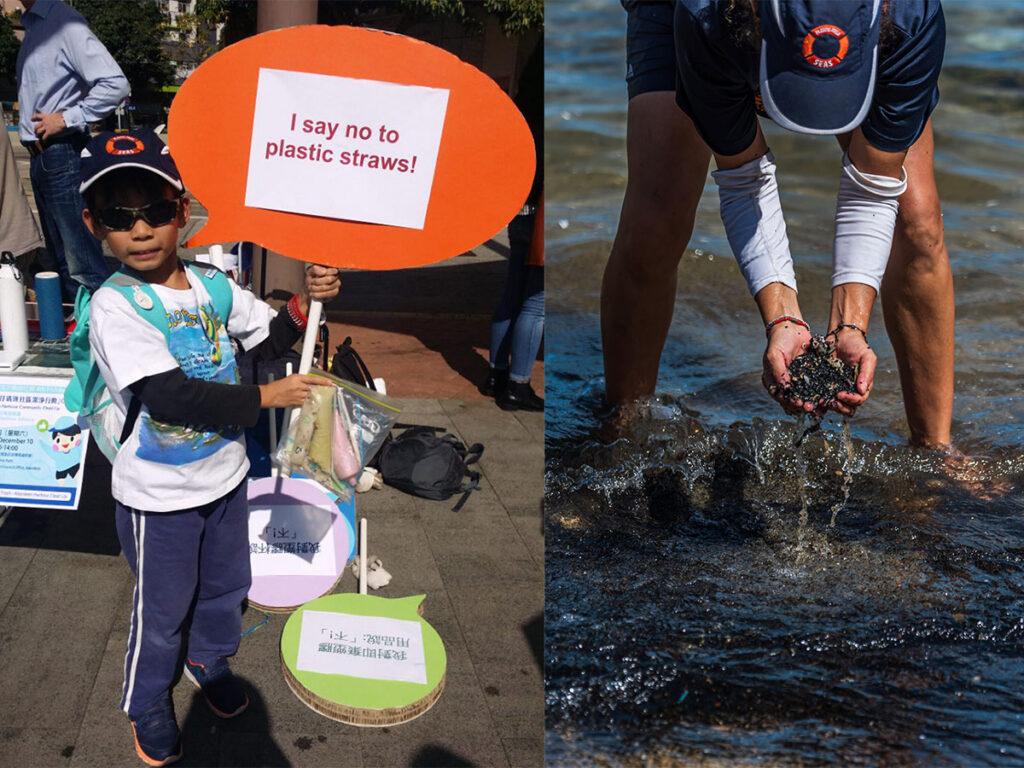
Refusal is simple, but it is not passive. When you decline a straw, bring your own reusable cup or bottle, or ask for no plastic cutlery, you interrupt a chain of waste before it begins. You also send a quiet signal to the person serving you: customers care about packaging.
The practical alternatives are often already within reach: a small reusable bag kept in a backpack or purse; bakery items wrapped in a napkin instead of placed in a plastic bag. Each refusal weakens the assumption that disposable is normal, necessary or inevitable.
Ripple #2: Notice
Before people can change their habits, they often need to see them clearly. Try a Plastic Footprint Investigation: keep all the dry rubbish you use for one week, then look at what you have accumulated and consider where reductions are possible. This exercise can be surprisingly revealing.
A lot of single-use packaging is automatic. Takeout arrives in a disposable container. Snacks are wrapped in layers of packaging. When these items are gathered in one place, they stop being invisible background waste and become evidence — and an opportunity for change.
Noticing also changes the way people shop. Instead of asking, “Can this be recycled?” the better question becomes, “Do I need this packaging at all?” Most people are aware by now that recycling alone will not solve the crisis, and that recyclability should never be used as an excuse to buy something wrapped in unnecessary packaging.
This shift matters because prevention is more effective than clean-up. The most valuable piece of waste is the one that never becomes waste.
Ripple #3: Influence others
Individual habits matter, but their impact multiplies when they become visible. A colleague sees you carrying a reusable coffee cup and decides to bring one too. A child watches a parent refuse a plastic bag and begins asking why. A friend notices that it is possible to have a picnic with reusable containers and real cutlery.
The ripple effect works because behaviour is contagious. People copy what they see around them, especially when the alternative looks easy, normal and appealing. A reusable bottle is not merely a personal accessory. It sends a silent, powerful message about your values and can trigger a chain reaction.
Ripple #4: Act together
Use your voice. Write to businesses about the changes you would like to see. Ask your favourite coffee shop to provide reusable cups for dine-in customers, or if your restaurant might offer customers a discount if they bring their own reusable containers for takeout. Propose more water refill stations at your child’s school to reduce bottled-water waste.
These actions may feel small, but they target systems. When a business changes its default packaging, it affects hundreds or thousands of customers without requiring each customer to make a separate decision. Corporate changes have enormous potential to create a positive impact quickly because they operate at scale.
Ripple #5: Clean up and connect
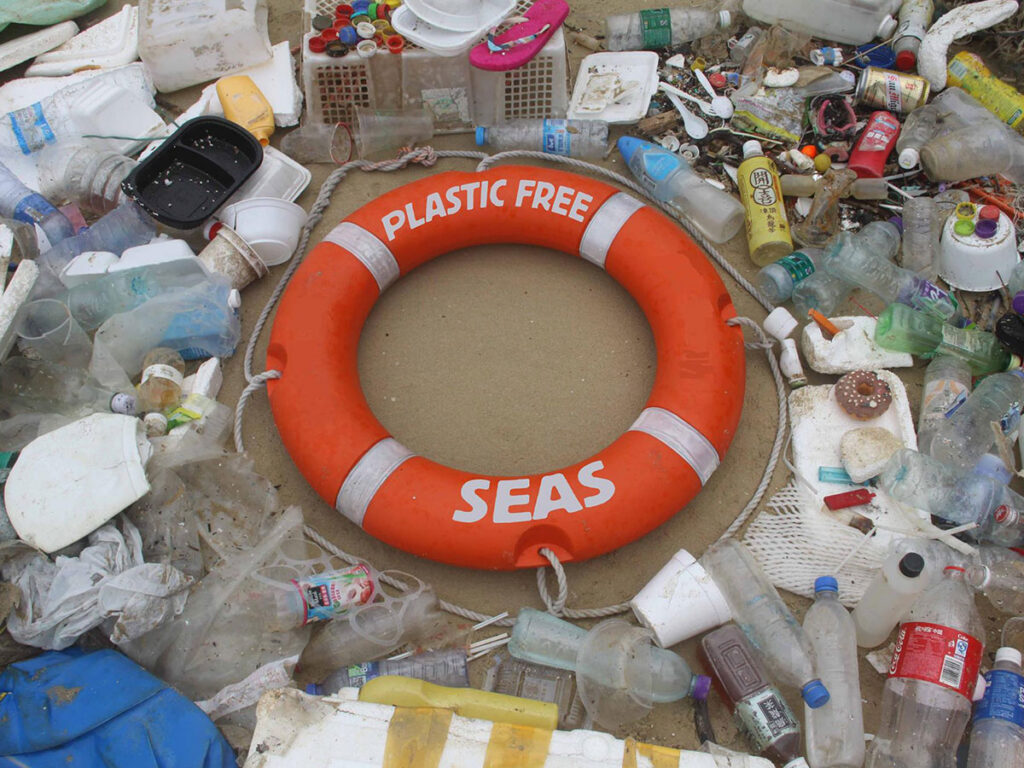
Beach, park and trail cleanups are often dismissed as treating symptoms rather than causes. That criticism has some truth as picking up litter does not stop waste from being created or discarded in the first place. But cleanups do something else that is equally important: they make an abstract problem visible.
Seeing plastic packaging on a trail, at the beach or floating in the water changes the issue from a statistic into something tangible. It invites questions: Where did this come from? Why was it here? Could it have been avoided?
Cleanups also create community. They bring together people who might not otherwise meet, and they often inspire further action. Someone who joins a cleanup may organize the next one. A student may start a school project. A parent may begin asking local shops about packaging.
The cleanup itself removes waste, but its larger value may be the network of people it activates.
Small changes, multiplied
The ripple effect is not a promise that every small action will immediately transform the world.
It is a more realistic and more hopeful idea: small actions create conditions for larger change.
Dana Winograd, Hospitality and Tourism Management ’92, has lived in Hong Kong for more than 31 years, having moved from Toronto a few years after graduating from Toronto Metropolitan University. She is executive director of the Hong Kong educational charity Plastic Free Seas, which she co-founded in 2013 — quite a change from the job of hotel inspector which brought her to Hong Kong all those years ago!